
What a Slot's Bonus Round Really Adds to the Game
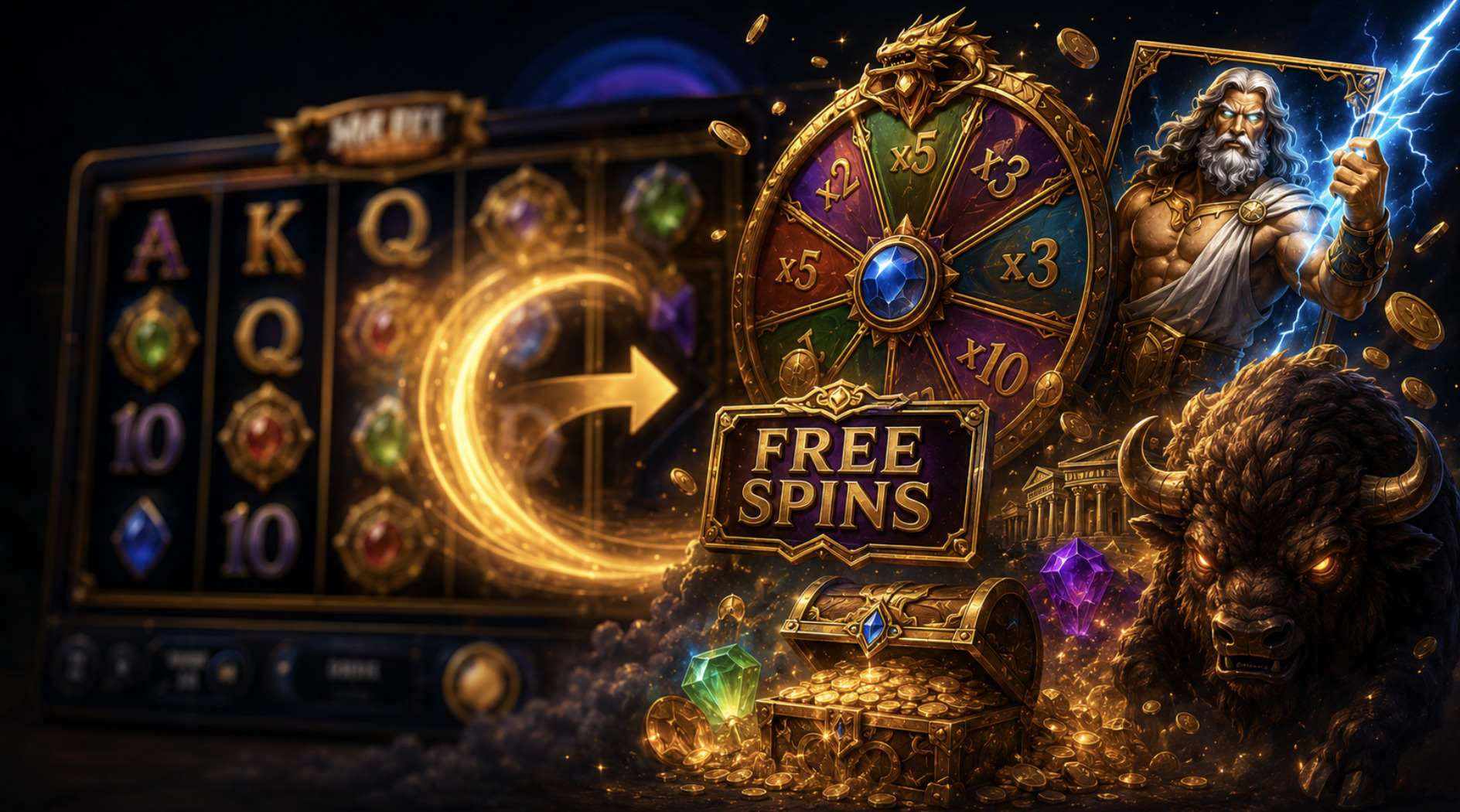
When a slot advertises itself, the images it puts forward are almost always drawn from its bonus round — the free spins, the special feature, the moment the game promises will make it worth playing. This is not accidental. In modern slot design, the bonus round is frequently where the real substance of the game lives, and where a large share of its potential returns are concentrated. Understanding what a bonus round actually contributes, rather than treating it as a decorative extra, changes how a player reads and chooses a slot entirely.
The base game and the feature are two different games
The first thing to grasp is that a modern slot is often really two games in one: the base game you play spin to spin, and the bonus round you occasionally reach. These are designed to feel and behave differently. The base game tends to be steadier and, often, quieter, its role being partly to build anticipation toward the feature. The bonus round is where the design concentrates its excitement and, frequently, its largest win potential.
This division explains a common experience that puzzles new players: a slot whose base game feels unremarkable, even stingy, despite a healthy overall return figure. The reason is that the return is not evenly spread. A significant portion of it is locked inside the bonus round, so the base game is deliberately restrained to fund the generosity of the feature. The two are balanced against each other by the designer, and judging a slot only by its base game misses where much of the action, and the money, actually is. The feature is not a bonus on top of the game; it is a core part of it.
Free spins and why they are more than extra turns
The most common bonus round is the free-spins feature, and its name understates what it usually is. Free spins are rarely just additional spins at the same odds as the base game; they are typically enhanced in some way that makes them substantially more valuable. A free-spins round might apply multipliers to wins, add extra wild symbols, expand the ways to win, or introduce special symbols that do not appear in the base game. These enhancements are the point.
This is why the free-spins round can be so much more rewarding than the base game, and why so many slots are effectively built around reaching it. The multiplier that grows with each spin, the wilds that lock in place, the special reels that only appear in the feature — these transform the free-spins round into a different, more generous game. When you read that a slot's free spins carry an increasing multiplier or an expanding feature, you are reading where the game's real potential is stored. The base game is, in a sense, the ticket to this better game, and understanding that reframes the patience it sometimes requires.
The trigger, and the waiting that precedes it
Every bonus round has a trigger — the condition that grants entry, most often landing a certain number of special scatter symbols. The frequency of that trigger is one of the most important and least visible characteristics of a slot, because it determines how often you actually reach the part of the game where the potential lives. A slot whose feature triggers rarely will spend long stretches in the quieter base game, testing patience, while one that triggers more often keeps the feature within closer reach.
This trigger frequency is intimately tied to volatility. A slot that locks most of its return inside a rarely-triggered, high-value feature is, almost by definition, high-variance: long dry base-game spells punctuated by occasional feature rounds that deliver the substance. One that triggers a more modest feature frequently plays more steadily. Neither is better in the abstract, but knowing which kind you are playing sets accurate expectations and protects against the frustration of a long wait for a feature that funds the whole game. The relationship between features, return, and volatility is examined further in our guide to RTP and volatility.
The bonus buy and the choice to skip the wait
Because the bonus round is where so much of a slot's value sits, and because reaching it can require patience, some slots offer a "bonus buy" — the option to pay a fixed, larger amount to enter the feature immediately rather than waiting for it to trigger. This is worth understanding clearly, because it changes the economics of play. The bonus buy is not free value; it is paying up front for direct access to the round the base game would otherwise slowly build toward.
The trade-off is real and worth weighing honestly. Buying the feature removes the waiting and the cost of grinding the base game to trigger it, but it does so at a significant, guaranteed cost, and it does not change the underlying odds of what the feature will deliver — a bought feature can still return little. In some regulated markets the bonus buy has been restricted precisely because it concentrates spending and risk. For the player, the sensible view is that a bonus buy is a high-cost, high-variance choice, not a shortcut to profit, and it demands the same budgeting discipline as any other form of play, only more so given the larger stake involved.
Reading the feature before you play
All of this points to a practical habit: read what a slot's bonus round actually is before deciding to play it. The information panel and feature description reveal the mechanics of the round — the free-spins enhancements, the multipliers, the trigger conditions, whether a bonus buy exists — and from those you can infer where the game's potential lives and how the experience will unfold. A slot with a rich, high-value feature and a rare trigger will play very differently from one with a modest, frequent feature, and the description tells you which you are getting.
This reading turns the bonus round from a surprise into an informed expectation. You can choose a slot whose feature structure matches what you want — the patient build toward a big feature, or the steadier rhythm of frequent modest ones — rather than discovering the game's true nature only after a long, unexpected wait. As with every aspect of slots, this understanding is a tool for setting expectations and managing a budget, not for gaining an edge; the house advantage remains, and these games are entertainment to be enjoyed within limits decided in advance, for players aged 18 and over.
Conclusion
A slot's bonus round is far more than a decorative extra; it is frequently where the real substance of the game, and much of its return, is concentrated, which is why slots advertise themselves with images from their features. The base game and the feature are effectively two different games balanced against each other, free spins are usually enhanced into something far more valuable than extra turns, and the trigger frequency governs how often you reach the potential — tying the whole design to volatility. The bonus buy offers a costly, high-variance shortcut past the waiting, not a path to profit. Reading a slot's feature before playing reveals where its value lives and how it will play, letting a player choose knowingly. Understood this way, the bonus round stops being a mysterious promise and becomes a clear, readable part of a game best approached with a budget, realistic expectations, and the steady recognition that it remains entertainment rather than a way to win.