
The Progressive Jackpot Slots and the Odds Behind the Dream
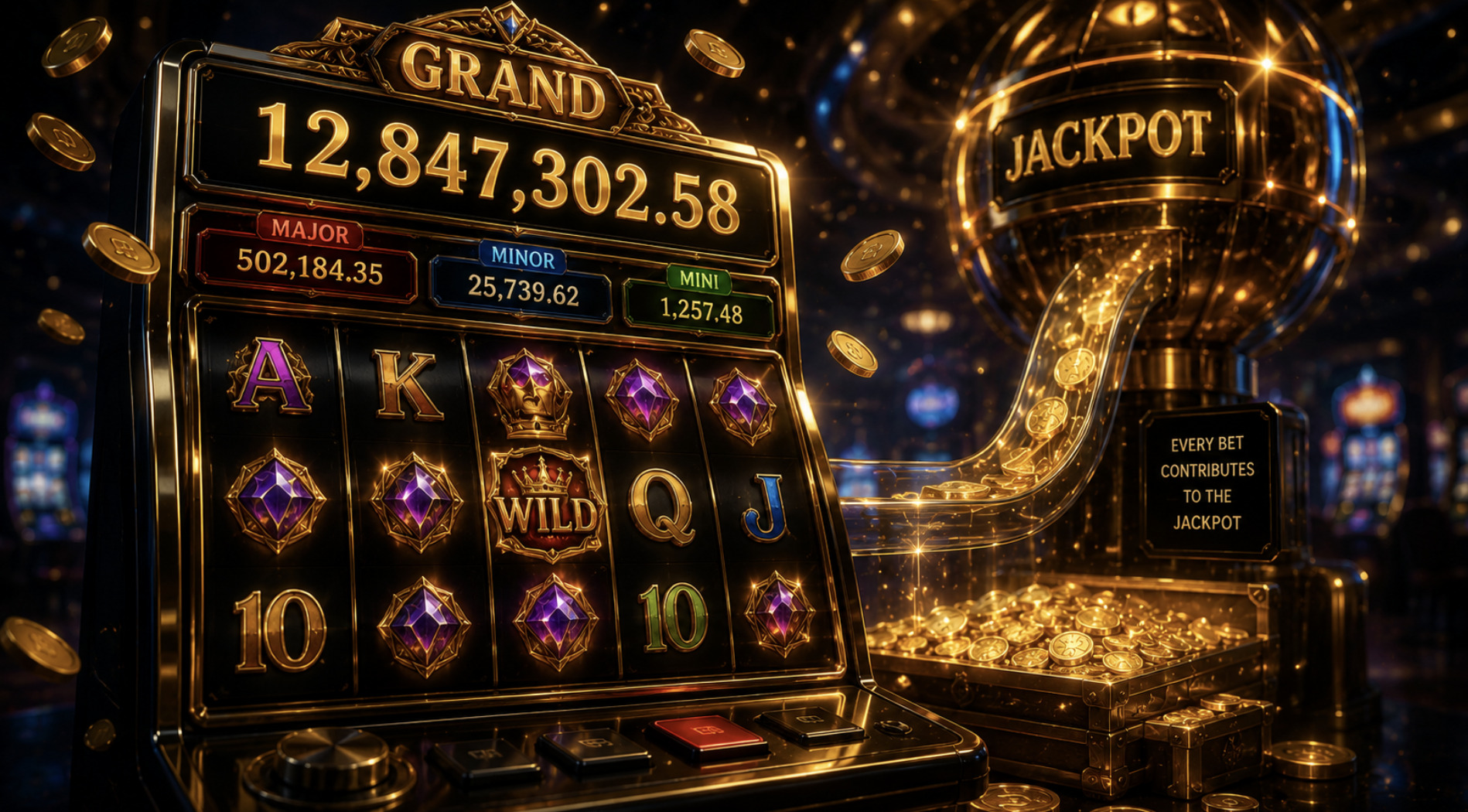
The appeal of a progressive jackpot slot is written in its headline figure: a prize that can reach an enormous, life-changing sum, won from a stake of a few coins. It is the purest expression of what draws people to slots — the tiny wager against the vast reward. But behind that dream sits a specific and understandable machinery, and a set of odds that the excitement tends to obscure. Understanding how a progressive jackpot actually accumulates and pays, and how long the odds truly are, turns the fantasy into something a player can approach with clear eyes rather than illusions.
What makes a jackpot progressive
A standard slot prize is fixed by the paytable: land the right combination and win a set amount. A progressive jackpot is different in one essential way — it grows. Every time a player anywhere makes a qualifying bet on the game, a small portion of that stake is added to a shared jackpot pool, which climbs steadily until someone wins it, at which point it resets to a base value and begins accumulating again. The prize is not fixed; it is fed continuously by the collective play of everyone contributing.
This mechanism is the source of the enormous figures progressive jackpots can reach. Because the pool grows with every contributing bet and empties only when won, a jackpot that goes a long time without being triggered can swell to a remarkable size. The "progressive" simply describes this upward accumulation. It is a fundamentally different structure from a fixed prize, and it is what allows a modest individual stake to sit within reach of a sum no single spin's paytable could ever offer — the pooled contributions of many players, gathered and handed to one.
Local and networked pools
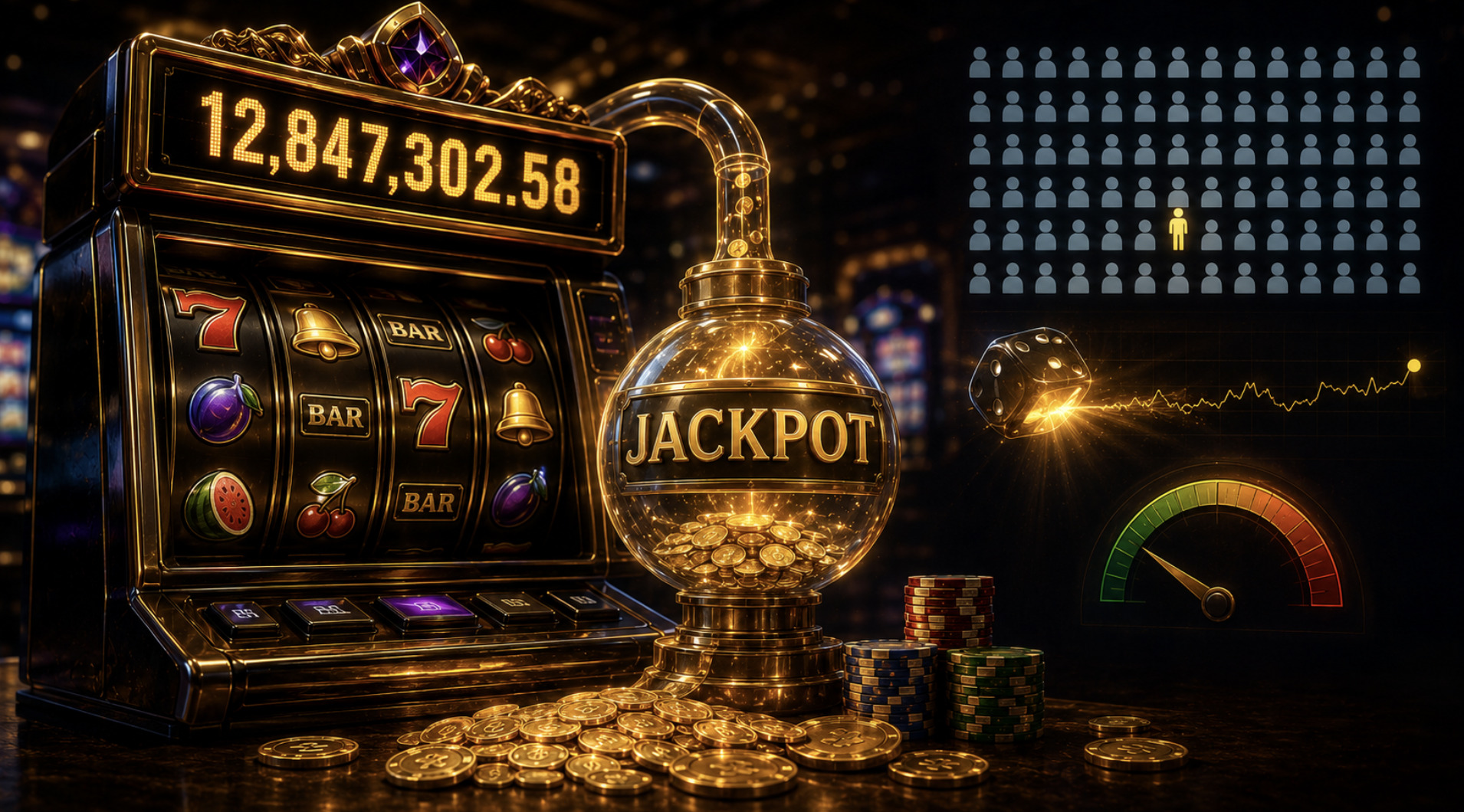
Not all progressive jackpots are built on the same scale, and the difference shapes both the size of the prize and the length of the odds. A standalone progressive draws its pool from a single game, so it grows more slowly and pays a smaller, though still meaningful, sum. A wider network progressive links the same game across many casinos, funnelling contributions from an enormous number of players into a single, rapidly growing pool — and it is these networked jackpots that reach the headline-grabbing totals.
The trade-off is embedded in the structure. The same vast pool of contributors that inflates a networked jackpot to life-changing size also means an enormous number of players are competing for the same rare outcome. A local jackpot pays less but is contested by fewer people; a networked one pays spectacularly but is a far longer shot. Recognising which kind a slot offers tells a player a great deal about both the potential reward and the realistic likelihood of the win. The biggest dreams carry the longest odds, precisely because they are pooled across so many players.
How the jackpot is won, and the myth of "due"
The moment of winning a progressive can work in a few ways depending on the game — landing a specific rare combination, entering a special bonus round, or being triggered at a random moment on any spin. What unites them all is the crucial fact that the trigger is governed by the same random number generator that decides every other outcome, and it is not influenced by the size of the jackpot, how long since it last paid, or how much a player has staked.
This dismantles the most common and costly misconception: that a jackpot which has grown very large, or has not paid for a long time, is somehow "due." It is not. Each qualifying spin carries the same tiny, independent chance of triggering the jackpot as any other, regardless of the pool's size or history. A large jackpot is not closer to paying than a small one; it is simply one that has not yet been won. Believing otherwise leads players to chase a growing jackpot on a false premise, increasing stakes in pursuit of an outcome that is no more likely than it was before. The pool's growth is visible and collective; the trigger is random and memoryless.
The honest odds behind the prize
It is worth being candid about the mathematics, because the allure of the prize obscures it. The chance of hitting a large networked progressive on any given spin is extraordinarily small — these are, by design, rare events, which is exactly why the prize can grow so large before it is claimed. A player could enjoy a progressive slot for a very long time and never come close to the jackpot, and that is the expected experience rather than misfortune. The life-changing win is real, but it is rare in proportion to its size.
There is also a structural detail worth knowing: because a slice of every qualifying bet feeds the jackpot pool, the portion of a stake diverted to fund the progressive can affect the base game's return, so the everyday play on a jackpot slot may feel less generous than on a comparable non-jackpot game. In practical terms, chasing a jackpot is not a strategy for regular returns; it is the purchase of a very small chance at a very large outcome. Seen clearly, a progressive slot is a lottery-like flutter attached to a slot, and treating it as anything more sets a player up for disappointment.
Enjoying the dream without misreading it
Given the genuine allure and the sobering odds, the sensible approach holds both in mind at once. There is nothing wrong with the appeal — the fantasy of the disproportionate win is a legitimate part of why people enjoy these games, and the occasional real, life-changing payout is what keeps the dream credible. Playing a progressive slot for the thrill of that possibility, with money set aside purely for entertainment, is a perfectly reasonable pleasure.
What tips enjoyment into trouble is misreading the machinery: believing a large jackpot is more likely to pay soon, increasing stakes to chase it, or treating the pursuit as anything other than a long shot. A player who understands that the trigger is random and independent, that the odds lengthen as the prize grows, and that no amount of play makes a win "due" can enjoy the dream honestly. The jackpot is a genuine possibility, not a plan. Keeping that distinction firmly in view — and, as with all play, sticking to a budget decided in advance, as an adult playing for entertainment — is what allows the excitement to remain fun rather than becoming a costly chase.
Conclusion
Progressive jackpot slots offer one of the most captivating propositions in the online casino, and behind the captivation is a clear machinery: a slice of every qualifying bet feeds a growing pool, local or networked, that climbs until one player triggers it and it resets. The trigger, however it is dressed, is governed by a random number generator that is memoryless and indifferent to the jackpot's size — which means a large jackpot is never "due," and the odds of the biggest prizes are as long as their rewards are large. A portion of every stake funding the pool can even trim the base-game return. Understood this way, the progressive jackpot remains a genuine and thrilling possibility while ceasing to be a misleading one. The dream is real; the odds are honest; and enjoying the former without being fooled by the latter, within a budget set for entertainment, is exactly how these games are best approached.