
Live Dealer vs. RNG Games. What Actually Changes for the Player

Anyone who has spent more than five minutes inside an online casino has hit the same fork in the road. On one side of the lobby sit the software games — slots, video blackjack, instant roulette — that resolve the moment you click. On the other sit the live dealer tables, where a real person in a studio deals real cards to a camera and you watch it unfold in something close to real time. They look like two flavours of the same thing. They are not. The technology underneath them is different, the rhythm of play is different, and the experience you walk away with is different too. Knowing which is which is the difference between choosing a game on purpose and drifting into one by accident.
What an RNG game actually is
The "RNG" in RNG games stands for random number generator, and it is the engine behind every slot spin, every hand of video poker, and every round of computerised roulette you have ever played online. Each outcome is produced by an algorithm that spits out a number the instant you act, and that number maps to a result — a symbol combination, a card, a pocket on the wheel. There is no croupier, no physical deck, no wheel spinning in a warehouse somewhere. The whole event happens in software in a fraction of a second.
This is the part that makes some players uneasy, because it feels like the casino could simply decide what you get. In a properly licensed environment, it cannot. Reputable operators run RNGs that are independently tested by laboratories such as eCOGRA or GLI, and the games carry a published return-to-player figure, or RTP — the percentage of all wagered money the game is designed to pay back over an enormous number of rounds. A slot advertising 96% RTP is built to return £96 for every £100 staked across millions of spins. That is not a promise about your session; it is a long-run average, and the gap between the two is where a lot of misunderstanding lives. "Rigged" and "has a house edge" are not the same thing. Every casino game keeps an edge — that is how the business exists — but a tested RNG game keeps exactly the edge it discloses, no more.
The practical upshot of RNG games is speed and control. You set your own pace, you can stake very small amounts, and nothing waits on anyone else. That suits players who like to think between rounds, test a strategy, or simply play in short bursts.
What live dealer changes
A live dealer game throws out the algorithm and puts a human back in the loop. You are watching a genuine person deal from a genuine deck or spin a genuine wheel, streamed from a studio in real time, usually with the option to type in a chat box and have the dealer respond. The randomness now comes from the physical world — the shuffle, the spin — rather than from code, which is why some players trust it more on instinct even though a tested RNG is statistically just as fair.
What you gain is atmosphere and a sense of occasion. There is a reason the live blackjack and live roulette rooms are the busiest part of many lobbies in the evenings: they feel like somewhere, not just something. What you give up is speed and flexibility. A live table runs at the dealer's pace, not yours. Bets are taken in fixed windows, rounds take real time to resolve, and the minimum stakes are typically higher than on the software equivalents because a studio, cameras, and a paid dealer cost money to run. You also share the table with other players, which is part of the appeal and part of the constraint.
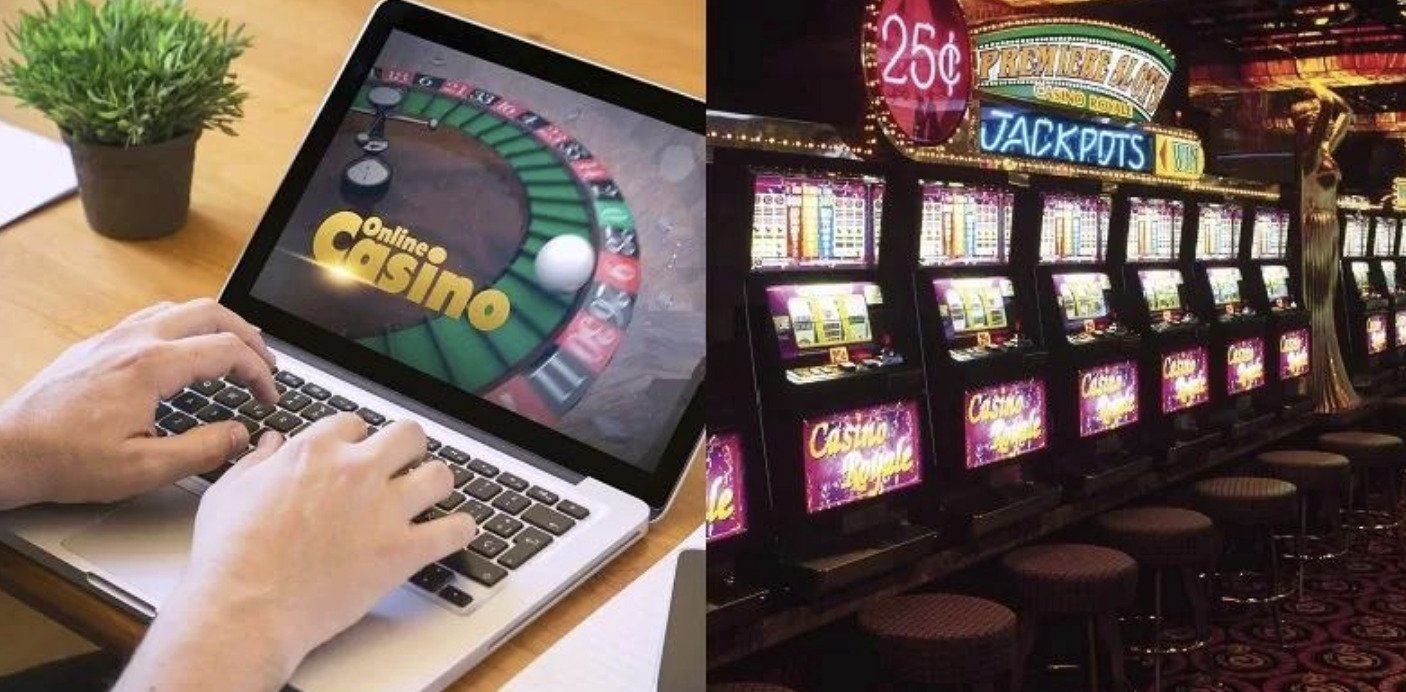
The trade-offs, side by side
Once you strip away the marketing, the decision comes down to a handful of honest trade-offs. RNG games are faster, cheaper to play in small amounts, available instantly, and entirely self-paced — but they are a solitary, screen-against-software experience. Live dealer games are slower, more social, more atmospheric, and feel more transparent because you can see the cards land — but they cost more per round, run on someone else's clock, and lean on a stable internet connection to be enjoyable at all. Neither is "better." They serve different moods. The mistake is treating them as interchangeable and then wondering why a live table burned through a budget that would have lasted three times as long on a low-stake slot.
Payout mechanics are largely the same across both: winnings are credited to your casino balance, and how fast they reach your bank or wallet depends on the operator's withdrawal processing and your payment method, not on whether the game was live or RNG. Where the two formats genuinely differ on money is at the table itself — the minimum and maximum bets — so it is worth checking those limits before you sit down rather than after.
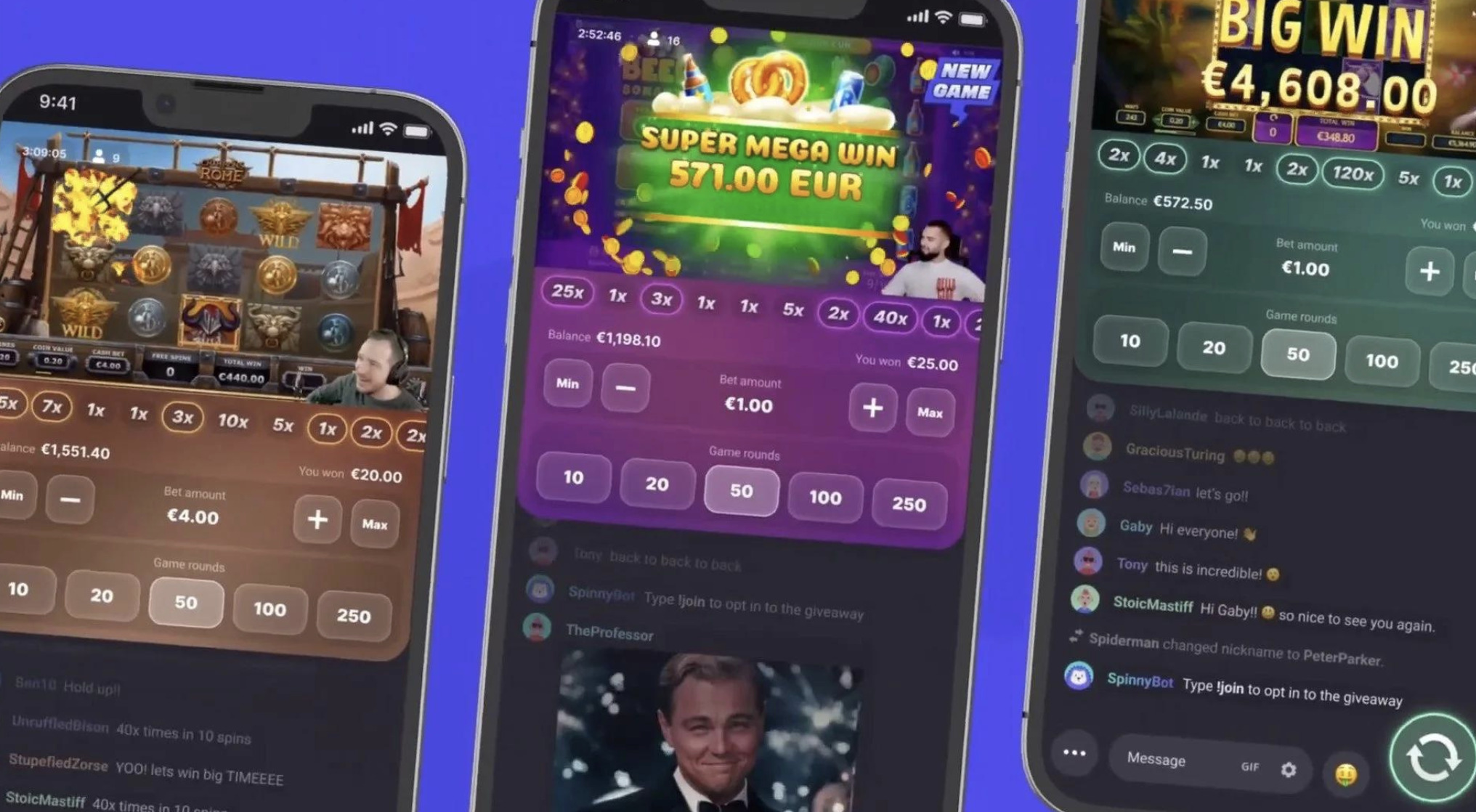
Where a platform that offers both comes in
Most established casinos now run both formats under one roof, which means you do not have to commit to one philosophy of play. Operators such as <a href="https://REPLACE-WITH-YOUR-SPINBOSS-URL" rel="sponsored nofollow">SpinBoss</a>, for example, carry a software-driven slot and table library alongside a live dealer suite, so a single account can switch between a quick run of low-stake spins and a slower evening at a live roulette table depending on your mood. When you are comparing a site like this, the things worth weighing are the spread of live tables and their stake ranges, the published RTPs on the RNG games, the clarity of the bonus terms, and how quickly withdrawals are actually processed — that last one being where player reviews tend to tell you more than the marketing does.
How to choose for your own play style
If you value speed, tiny stakes, and total control over your own pace, the RNG side of the lobby is built for you, and the breadth of choice there is enormous. If what you want is the feel of a real table, the social element, and the reassurance of watching the cards fall, the live rooms are worth the higher minimums. Plenty of players keep a foot in both: RNG games for casual, low-cost sessions, live tables for the occasional night when the experience itself is the point. The healthiest approach is to decide which one you are reaching for and why before you deposit, rather than letting the lobby decide for you.
A note on playing responsibly
Whichever format you choose, the maths is unchanged: the house keeps an edge, and over time that edge favours the casino, not the player. Treat any money you put in as the cost of entertainment, not as an investment or a way to make money. Set a deposit limit and a time limit before you start and stick to them, and never chase losses by raising stakes to win them back — that is the single most common way a manageable session turns into a damaging one.
If gambling stops feeling like a choice, free and confidential help is available. In the UK, BeGambleAware.org and the National Gambling Helpline offer support around the clock. In Canada, the Responsible Gambling Council and your provincial helpline can point you to local resources. 18+ only, 19+ in most of Canada.
Frequently asked questions
Are RNG casino games fair? A properly licensed RNG game is independently tested and pays out at its published RTP over the long run. It keeps a house edge — every casino game does — but it does not keep more than it discloses. Fairness depends on the operator being licensed and the game being lab-certified, not on the game being RNG or live.
Is live dealer more trustworthy than RNG? Not statistically. A tested RNG is just as fair as a live table; live dealer simply feels more transparent because you can watch the physical cards or wheel. Both are legitimate when the operator is properly licensed.
Why are live dealer minimum bets higher? Running a live table means paying for a studio, cameras, and a human dealer, so the per-round cost is higher and that is reflected in the table minimums. RNG games have no such overhead, which is why you can stake very small amounts.
Does the game format affect how fast I get paid? No. Withdrawal speed depends on the operator's processing times and your chosen payment method, not on whether you won at a live table or an RNG game.